Items filtered by date: February 2026
Toe Conditions May Signal Deeper Health Problems
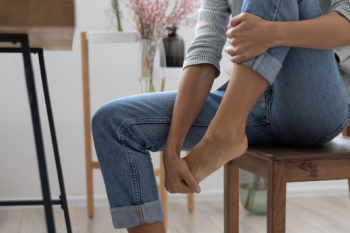
Many people overlook their toes, yet changes in appearance or sensation can reflect health problems. Curved or spooned nails may point toward anemia or thyroid disorders. Meanwhile, burning, tingling, or numbness in the toes can signal nerve damage often associated with diabetes. Dark streaks under a toenail require evaluation to rule out skin cancer. Pale or white nails may be linked to kidney or liver disease, and swollen, painful joints can indicate arthritis or gout. Thickened or yellow nails suggest fungal infection or trauma, and cold or bluish toes may indicate circulation problems. Because the feet contain small blood vessels and nerves, medical conditions may appear there early. A podiatrist evaluates skin, nails, joints, and circulation, orders testing, and recommends medical or surgical care to treat the cause and prevent complications. If your toes change in appearance, it is suggested that you make an appointment with a podiatrist for an exam, diagnosis, and treatment.
Toe pain can disrupt your daily activities. If you have any concerns, contact Devin Wahlen, DPM of Eastern New Mexico Foot & Ankle. Our doctor can provide the care you need to keep you pain-free and on your feet.
What Causes Toe Pain?
Most severe toe pain is caused due to a sports injury, trauma from dropping something heavy on the toe, or bumping into something rigid. Other problems can develop over time for various reasons.
Toe pain can be caused by one or more ailments. The most common include:
- Trauma
- Sports injury
- Wearing shoes that are too tight
- Arthritis
- Gout
- Corns and calluses
- Hammertoe
- Bunions
- Blisters
- Ingrown toenails
- Sprains
- Fractures (broken bones)
- Dislocations
When to See a Podiatrist
- Severe pain
- Persistent pain that lasts more than a week
- Signs of infection
- Continued swelling
- Pain that prevents walking
Diagnosis
In many cases the cause of toe pain is obvious, but in others, a podiatrist may want to use more advanced methods to determine the problem. These can range from simple visual inspections and sensation tests to X-rays and MRI scans. Prior medical history, family medical history, and any recent physical traumatic events will all be taken into consideration for a proper diagnosis.
Treatment
Treatments for toe pain and injuries vary and may include shoe inserts, padding, taping, medicines, injections, and in some cases, surgery. If you believe that you have broken a toe, please see a podiatrist as soon as possible.
If you have any questions please contact our office located in Clovis, NM . We offer the newest diagnostic and treatment technologies for all your foot and ankle needs.
Definition of Sever’s Disease and Risk Factors
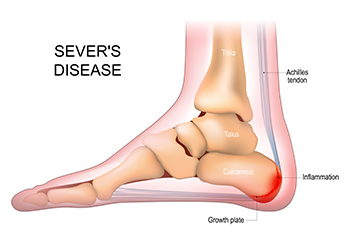
Sever’s disease is a common growth-related heel condition that affects active children and adolescents during periods of rapid development. It occurs when repetitive stress and tension irritate the growth plate at the back of the heel where the Achilles tendon attaches. Causes often include running, jumping, tight calf muscles and overuse during sports activities. Risk factors may include high activity levels, wearing improper footwear, flat feet, or rapid growth spurts. A podiatrist can help by providing an accurate diagnosis recommending activity modification, custom orthotics, stretching, guidance, and supportive footwear to reduce strain on the heel. Early care can ease pain, improve mobility, and prevent ongoing discomfort. If your active child has heel pain, it is suggested that you consult a podiatrist who can offer effective relief and management tips.
Sever's disease often occurs in children and teens. If your child is experiencing foot or ankle pain, see Devin Wahlen, DPM from Eastern New Mexico Foot & Ankle. Our doctor can treat your child’s foot and ankle needs.
Sever’s Disease
Sever’s disease is also known as calcaneal apophysitis, which is a medical condition that causes heel pain I none or both feet. The disease is known to affect children between the ages of 8 and 14.
Sever’s disease occurs when part of the child’s heel known as the growth plate (calcaneal epiphysis) is attached to the Achilles tendon. This area can suffer injury when the muscles and tendons of the growing foot do not keep pace with bone growth. Therefore, the constant pain which one experiences at the back of the heel will make the child unable to put any weight on the heel. The child is then forced to walk on their toes.
Symptoms
Acute pain – Pain associated with Sever’s disease is usually felt in the heel when the child engages in physical activity such as walking, jumping and or running.
Highly active – Children who are very active are among the most susceptible in experiencing Sever’s disease, because of the stress and tension placed on their feet.
If you have any questions, please feel free to contact our office located in Clovis, NM . We offer the newest diagnostic and treatment technologies for all your foot care needs.
Gout Pain Can Be Managed
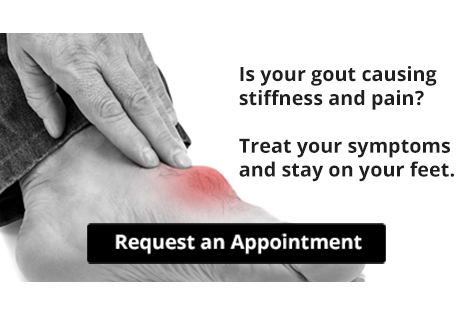
Gout is a painful, inflammatory form of arthritis. Those affected will typically feel an intense stiffness in the joints of their feet, particularly in the big toe. Schedule a visit to learn about how gout can be managed and treated.
Choosing Proper Footwear for Children
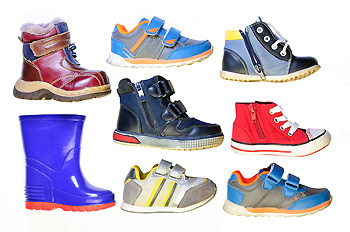
Choosing proper footwear for children is essential for healthy foot development, balance, and overall comfort as they grow. Shoes should support natural movement while protecting developing feet during daily activities. Infants benefit from soft, flexible shoes that allow natural motion, while toddlers need lightweight shoes with room for growing toes and stable soles for early walking. Additionally, school-age children require supportive shoes with cushioning and structure for active play, and adolescents need footwear that balances comfort, durability, and sport-specific support. Poor shoe choices may contribute to pain, posture issues, or foot deformities over time. A podiatrist can evaluate foot structure, gait, and growth patterns, and recommend appropriate footwear or orthotics, when needed. If your child has foot discomfort or you have questions about shoe selection, it is suggested that you consult a podiatrist for expert guidance and an appropriate treatment plan.
Making sure that your children maintain good foot health is very important as they grow. If you have any questions, contact Devin Wahlen, DPM of Eastern New Mexico Foot & Ankle. Our doctor can provide the care you need to keep you pain-free and on your feet.
Keeping Children's Feet Healthy
Having healthy feet during childhood can help prevent medical problems later in life, namely in the back and legs. As children grow, their feet require different types of care. Here are some things to consider...
Although babies do not walk yet, it is still very important to take care of their feet.
Avoid putting tight shoes or socks on his or her feet.
Allow the baby to stretch and kick his or her feet to feel comfortable.
As a toddler, kids are now on the move and begin to develop differently. At this age, toddlers are getting a feel for walking, so don’t be alarmed if your toddler is unsteady or ‘walks funny’.
As your child gets older, it is important to teach them how to take care of their feet.
Show them proper hygiene to prevent infections such as fungus.
Be watchful for any pain or injury.
Have all injuries checked by a doctor as soon as possible.
Comfortable, protective shoes should always be worn, especially at play.
If you have any questions, please feel free to contact our office located in Clovis, NM . We offer the newest diagnostic and treatment technologies for all your foot care needs.
Pressure Points and Protective Skin
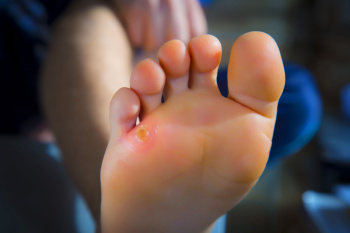
Corns and callouses both develop as the skin responds to repeated friction or pressure, yet they differ in important ways. Corns are small, round areas of thickened skin with a hard center, often forming on toes where shoes rub. Callouses are broader, flatter patches that appear on weight-bearing areas like heels or balls of the feet. Corns may look raised and feel sharp or burning, whereas calluses tend to look yellowish and do not generally cause pain. Common causes include ill-fitting footwear, foot structure, and walking patterns. A podiatrist begins with a thorough examination to confirm the diagnosis and rule out warts or infection. Treatment options include safe and sterile removal of the corn, custom padding or orthotics, and recommended footwear changes to reduce pressure. Early care can prevent worsening pain and complications. If you have painful corns, it is suggested that you make an appointment with a podiatrist.
If you have any concerns regarding your feet and ankles, contact Devin Wahlen, DPM of Eastern New Mexico Foot & Ankle. Our doctor will treat your foot and ankle needs.
Corns: What Are They? and How Do You Get Rid of Them?
Corns can be described as areas of the skin that have thickened to the point of becoming painful or irritating. They are often layers and layers of the skin that have become dry and rough, and are normally smaller than calluses.
Ways to Prevent Corns
There are many ways to get rid of painful corns such as wearing:
- Well-fitting socks
- Comfortable shoes that are not tight around your foot
- Shoes that offer support
Treating Corns
Treatment of corns involves removing the dead skin that has built up in the specific area of the foot. Consult with Our doctor to determine the best treatment option for your case of corns.
If you have any questions, please feel free to contact our office located in Clovis, NM . We offer the newest diagnostic and treatment technologies for all your foot care needs.
